
When selecting the right type of nylon rope for your project, understanding the difference between twisted and braid construction can make a significant impact. Whether you’re securing cargo, handling outdoor activities, or planning a DIY build, choosing the correct rope ensures safety, performance, and long-term value.

Understanding Nylon Rope: Strength Meets Versatility
What Makes Nylon Rope Unique?
Nylon rope is favored for its high strength, resistance to abrasion, and excellent elasticity. Unlike other materials, nylon doesn’t easily degrade under UV exposure or chemical contact, making it one of the most durable ropes available for both commercial and personal use.
Nylon is also known for its shock absorption, which is highly beneficial in dynamic load applications. The strength and stretch of nylon allow it to return to its original form after being stretched, adding a layer of safety in applications where sudden pressure changes are common.
Benefits of Using Nylon for DIY & Professional Projects
From camping gear to construction work, nylon rope offers unmatched reliability. It can absorb shock loads better than most rope materials, which makes it especially useful in dynamic tension applications like climbing, towing, or marine work. Many prefer quality nylon rope due to its resilience and performance under pressure.
Additionally, nylon rope is resistant to mildew, rot, and most chemicals, making it ideal for harsh environments. Its longevity and ability to perform well in both hot and cold temperatures add to its appeal for long-term projects and seasonal use.
Twisted Nylon Rope: Classic Design with High Performance
Construction & Characteristics
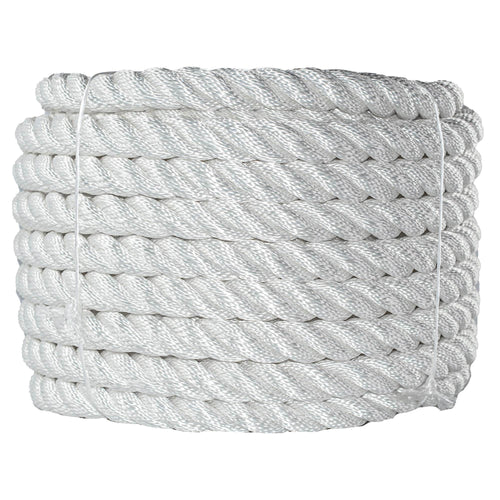
Twisted nylon rope is constructed by twisting individual fibers into yarns, then twisting the yarns into strands. This traditional method creates a spiral-like rope that’s easy to splice and handle. Twisted rope generally stretches more than braided rope, which can be advantageous for shock absorption.
The construction also means that twisted rope tends to be more affordable and widely available. The surface texture, though rougher than braided rope, offers a better grip in wet or rugged environments.
When to Use Twisted Nylon Rope
This rope style is ideal for outdoor rope needs, such as anchor lines, dock lines, and general-purpose hauling. If you're dealing with uneven tension or need a rope that handles stress and movement well, a twisted nylon rope is a strong choice.
It is especially beneficial in marine settings, where waves create constant movement. The rope’s elasticity helps prevent damage from sudden jerks, making it reliable for mooring and towing purposes.

Solid Braid Nylon Rope: Smooth, Strong & Flexible
Advantages of the Braid Structure
Unlike twisted rope, solid braid nylon rope is tightly woven, creating a smoother, rounder surface. It doesn’t unravel easily and offers less stretch, making it better for static applications where consistent tension is required.
The even structure allows for minimal snagging, making it excellent for pulleys and winches. Its uniform shape also distributes load evenly, reducing the chance of wear in one area and increasing the rope's overall lifespan.
Ideal Applications for Solid Braid Rope
Solid braid rope shines in indoor and outdoor applications requiring precision and flexibility—like pulley systems, flagpoles, or tent lines. Its design provides enhanced knot retention and reduces snagging, which makes it a top pick for tasks needing clean, flexible rope that’s easy to manage.
Crafting, boating, and decorative purposes are also well-suited for nylon rope, especially where aesthetics and smooth handling matter. The lower stretch also gives users more control in applications where movement needs to be minimized.
Which Rope is Right for Your Project?
Project-Based Comparison: Twisted vs. Braid
When comparing twisted and braid ropes, think about the specific conditions of your task. Twisted rope provides more elasticity, great for absorbing dynamic forces. Braided rope offers better handling and minimal stretch, ideal for static or decorative uses.
Twisted nylon rope is great for high-impact activities, while solid braid is better suited to precise, stable tasks. Understanding your project's requirements can help you make the right choice.
Durability, Flexibility & Handling Differences
For users needing nylon pull rope for lifting or towing, twisted nylon may perform better under stress. On the other hand, those seeking ease of storage, smoother texture, or neat aesthetics might prefer braid. Both are considered strong ropes, but each suits different environments and objectives.
Twisted rope may show signs of wear faster when used with mechanical devices, while braided rope resists fraying and can handle friction more efficiently. However, twisted rope is easier to splice and repair in the field.
Key Buying Considerations
Choosing Quality Nylon Rope for Outdoor Use
If your task involves exposure to weather, water, or sunlight, it’s essential to invest in a nylon rope designed for outdoor durability. Look for UV-resistant labeling, and choose ropes that are engineered to resist mildew and rot.
Also consider the rope’s diameter and load rating. A rope too thin may not hold up under pressure, while overly thick ropes can be difficult to work with.
What to Look for in a Strong, Durable Rope
Here are a few key tips for evaluating rope:
- Check tensile strength ratings
- Ensure flexibility if needed for knots or pulleys
- Inspect the outer texture for fraying resistance
- Evaluate the diameter based on your load requirements
When searching where to buy rope, focus on retailers who specify technical specs and use cases clearly.
Product Spotlight: Twisted Nylon Rope
This versatile rope is made with premium twisted nylon fibers, built for high-load applications with excellent shock absorption. Its spiral construction makes it easy to splice and ideal for both marine and utility use. The twisted nylon rope is a trusted solution for jobs that require strength, durability, and flexibility.
Key Features:
- Excellent stretch and shock-load resistance
- UV and abrasion-resistant coating
- Easy to handle and splice
- Strong enough for heavy-duty outdoor applications
Where to Buy Rope That’s Reliable
Buying rope isn’t just about cost—it’s about ensuring safety and quality. If you're searching for nylon rope for sale, avoid generic or unlabeled ropes. Instead, choose rope suppliers who test their products and offer detailed specifications. For budget-conscious users, it's still possible to find cheap rope without compromising strength—just make sure it's tested for the task you’re using it for.
For those who prefer online shopping, many verified retailers list product comparisons, reviews, and use-case guides to help you choose the right rope without visiting a physical store.
Product Spotlight: Solid Braid Nylon Rope
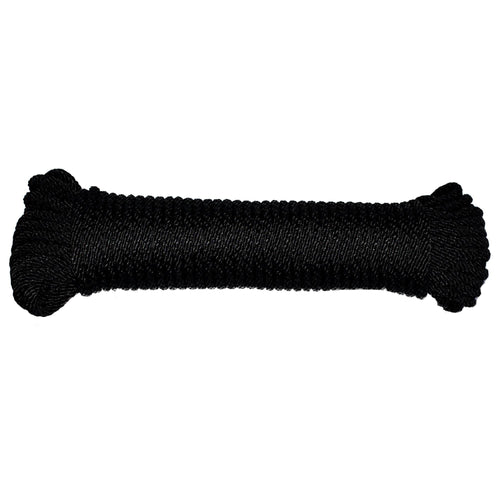
The Solid braid nylon rope is constructed for smooth handling and professional-grade performance. It’s perfect for users who need a strong yet flexible rope that doesn’t kink or twist. Whether for crafts, flagpoles, or utility tasks, this rope maintains its integrity under tension and repeated use.
Key Features:
- Smooth finish resists snagging
- Holds knots well without slipping
- Minimal stretch for stable load management
- Excellent for indoor and outdoor rope tasks
FAQs
Is twisted or braided nylon rope better for outdoor use?
Both are suitable, but twisted nylon rope offers better shock absorption, making it ideal for dynamic outdoor uses like towing or anchoring. Braided rope, with its neat look and stability, works well for static loads and decorative applications.
Can nylon pull rope be used for towing?
Yes, nylon pull rope is often used for towing light to moderate loads because of its strength and elasticity. However, always check load limits and safety guidelines before use.
How do I know if I’m buying quality nylon rope?
Look for details like tensile strength, UV resistance, and customer reviews. Quality nylon rope should feel sturdy, resist fraying, and include clear labeling of specs.
What’s the lifespan of durable rope exposed to sun and water?
With proper care, a durable nylon rope exposed to sun and water can last several years. Make sure to clean it regularly and store it away from direct sunlight when not in use.
Where is the best place for online shopping for strong ropes?
Reputable e-commerce platforms and specialty hardware websites are great places to find strong ropes. Look for trusted sellers that provide technical data, customer reviews, and application guidelines.
Conclusion
Choosing between twisted and braid nylon rope depends on your project’s demands. While twisted rope excels in dynamic, heavy-duty uses with its high stretch and shock resistance, braided rope stands out for tasks requiring smooth handling and less give. Both types offer excellent performance when selected thoughtfully. By understanding the differences and selecting quality materials, your projects—whether indoor, outdoor, light-duty, or intense—will benefit from long-lasting, reliable performance.


0 Comments